The Salish Sea has its own way of welcoming the start of boating season. While other regions also celebrate Opening Day, the Pacific Northwest waterfront ushers in a series of spring events that engage the public on a wide scale, often spanning several days that bring mariners and local communities together. The Tacoma Yacht Club’s Daffodil Marine Festival, held in April since 1937, puts all things yellow on jubilant display, ending in a parade of boats bursting with blooms. The Olympia Yacht Club’s Opening Day has kicked off boating season since the 1920s with a Blessing of the Fleet, music from the American Legion Band, and a procession of decorated vessels, all open to the public. To cap it all off, Seattle’s salute to spring—organized by the Seattle Yacht Club, the University of Washington, and Windermere Real Estate—has become the largest marine festival in the nation.
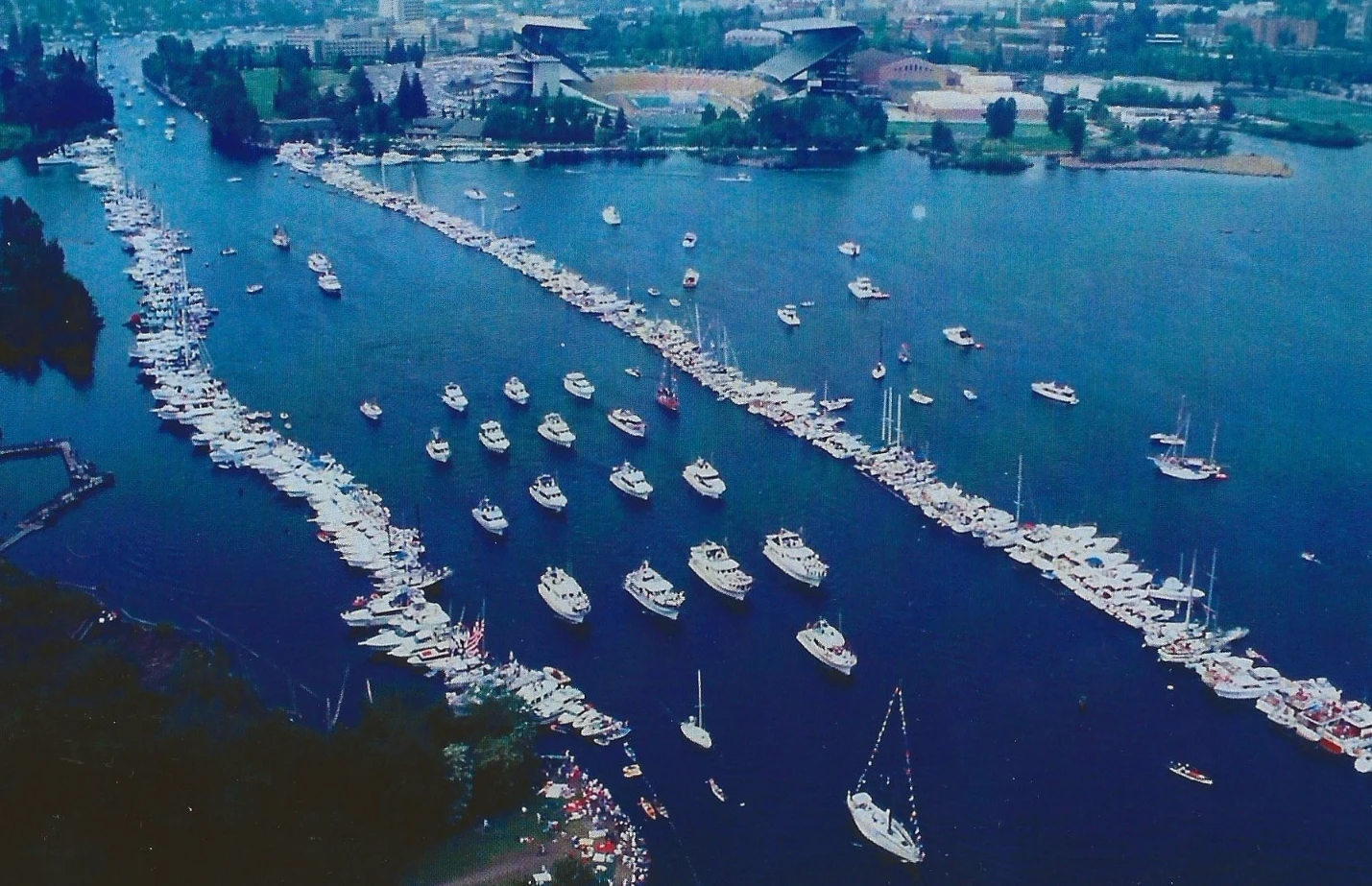
The Montlake Cut makes a unique setting for the festivities. Completed in 1917, this narrow waterway connects Lake Washington to Puget Sound, concentrating vessel traffic through Portage Bay. The Seattle Yacht Club chose to locate its new clubhouse at this vibrant, active site, opening in 1920—the year of its first official boat parade. Initially, the annual processions were modest, involving only a few members’ yachts. As spectators began lining the Montlake Cut to view the parade, the possibilities of engaging the larger community became apparent. By the 1950s, boats from other yacht clubs and maritime groups began participating and the parade attracted more than 1,000 boats and countless spectators. The addition of the crew races in the 1970s and the Windermere Cup in 1986 further increased the crowds, who came to mark the start of spring with a tradition that had come to define Seattle.
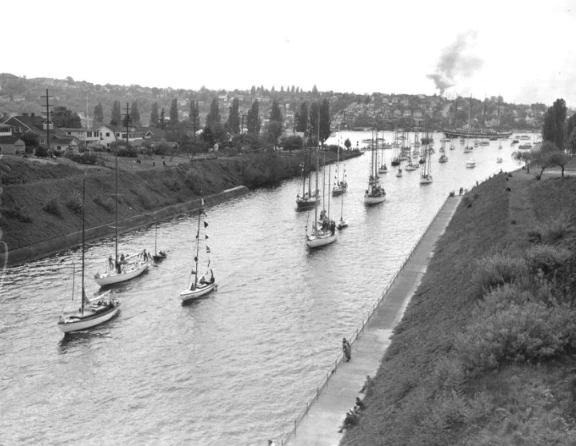
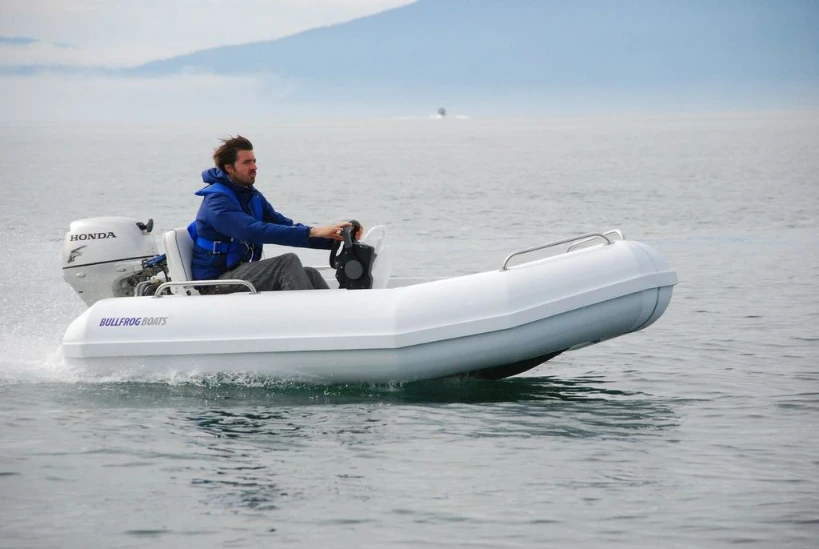
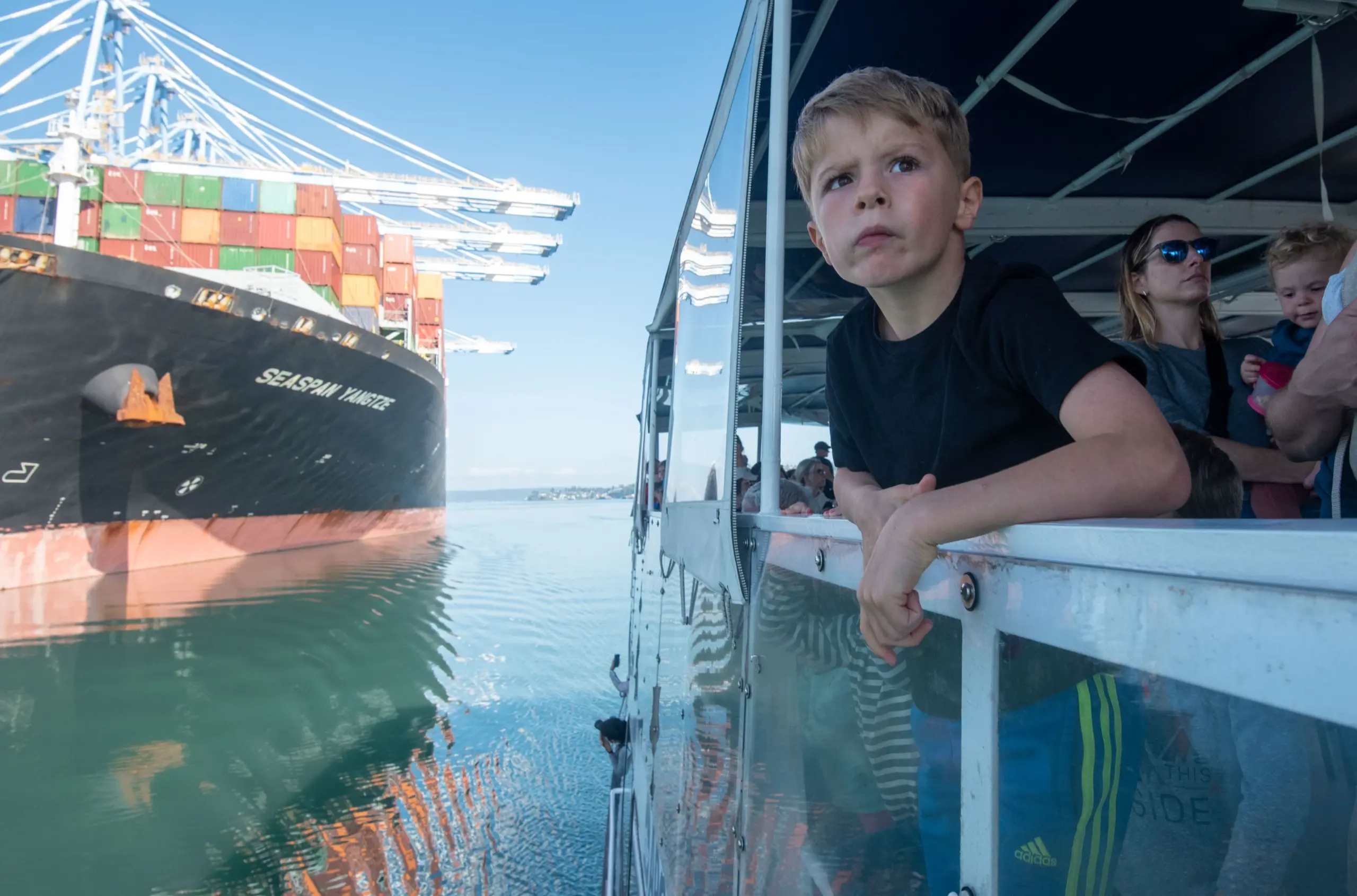
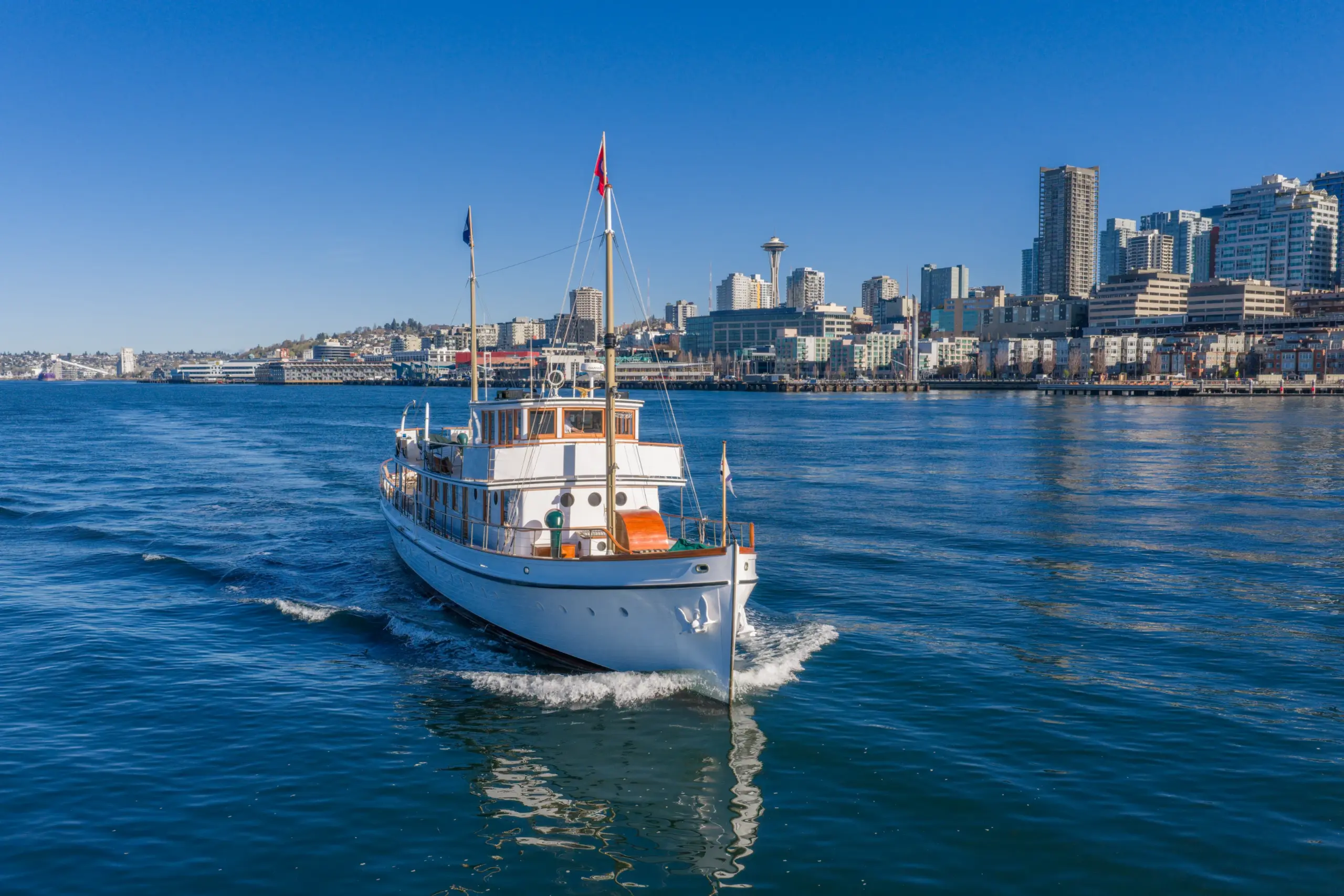
For more than a century, Opening Days have served as a window into Northwest maritime culture. Parades often include the working boats once used in the region’s logging, fishing, shipyard, and ferry operations. Vessels from government agencies cruise side-by-side with classic wooden yachts, while fiberglass pleasure boats remind us how water recreation developed and expanded in the Salish Sea. Boats are now more affordable and accessible than they were in 1920, when the parade through the Montlake Cut focused on “yachting gentlemen” and the city’s elite. Today, a stroll down Dock Zero at the Seattle Yacht Club, a hub for boats getting ready for the parade in early May, reveals how boating culture now includes an array of vessels and participants, all reveling in our region’s long relationship with water.
The log boom outside the Montlake Cut, now in its 50th year, offers a similar glimpse of how boating pervades culture and identity in the Northwest. The raft of vessels, gathered for the best views of the Windermere Cup and parade, has become one of the city’s best parties.
For those without a boat, the Antique and Classic Boat Society offers free rides in vintage vessels. This year, a fleet of wooden boats, all turning 100 years old in 2026, will lead the parade on May 2 as an additional reminder of the region’s nautical past.
There is a global spotlight on the Northwest this year. The 2026 theme of the Daffodil Marine Festival is “Bloom Where the World Takes You,” while the Seattle Yacht Club’s theme, “World Regatta,” embraces the international crews competing in the Windermere Cup, including UW Rowing, Great Britain’s National Team, Canada’s National Team, and the Northeastern University men’s team. All will come together on May 2, just a few weeks before the FIFA World Cup arrives on the West Coast.
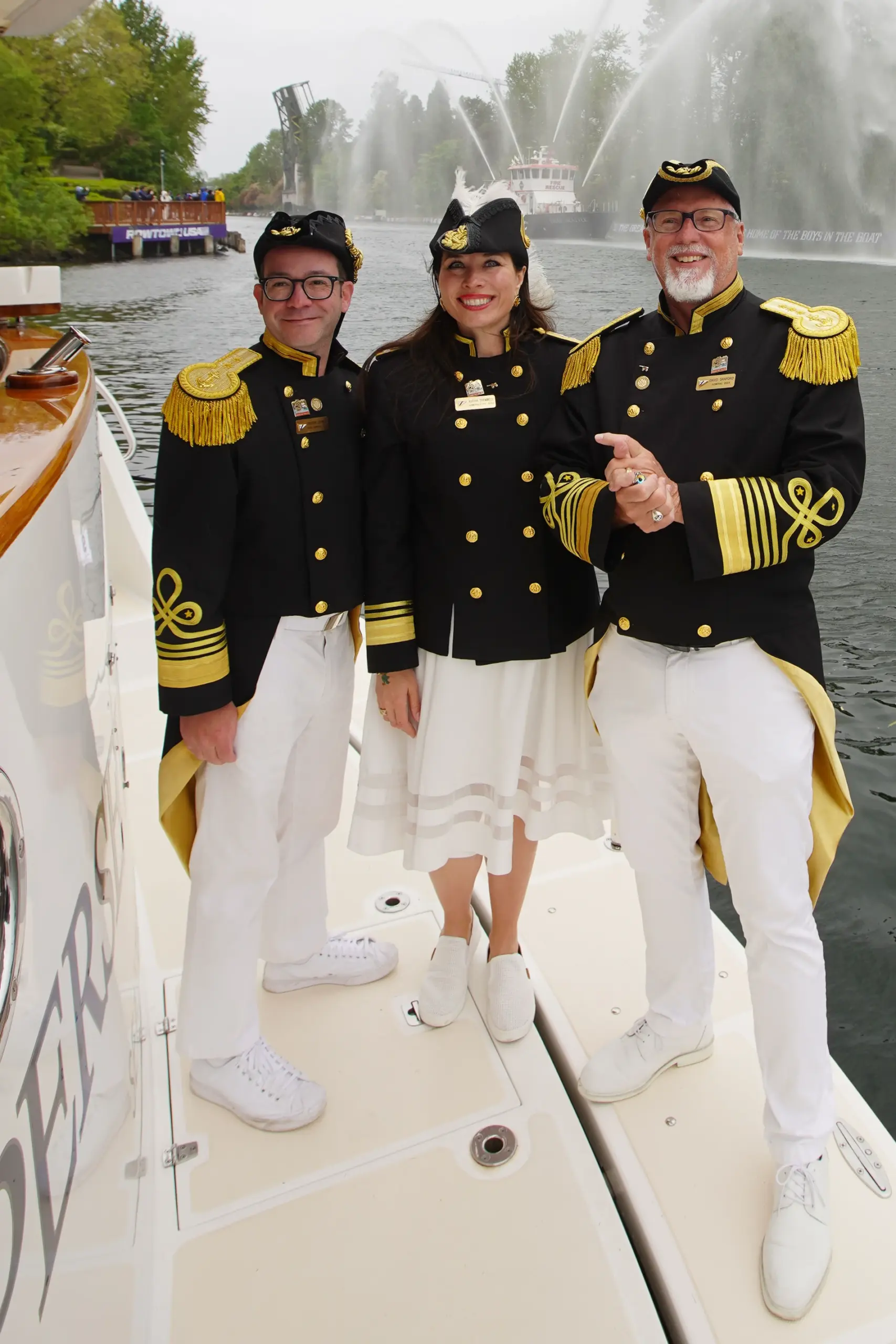
As our nation commemorates its 250th birthday in 2026, Admiral Mark Holden, part of the “Trio” that oversees Opening Day, recently explained that “it’s a good time to bring people together to celebrate our unique maritime heritage and our common bonds.” Rain or shine, there will be something for everyone.