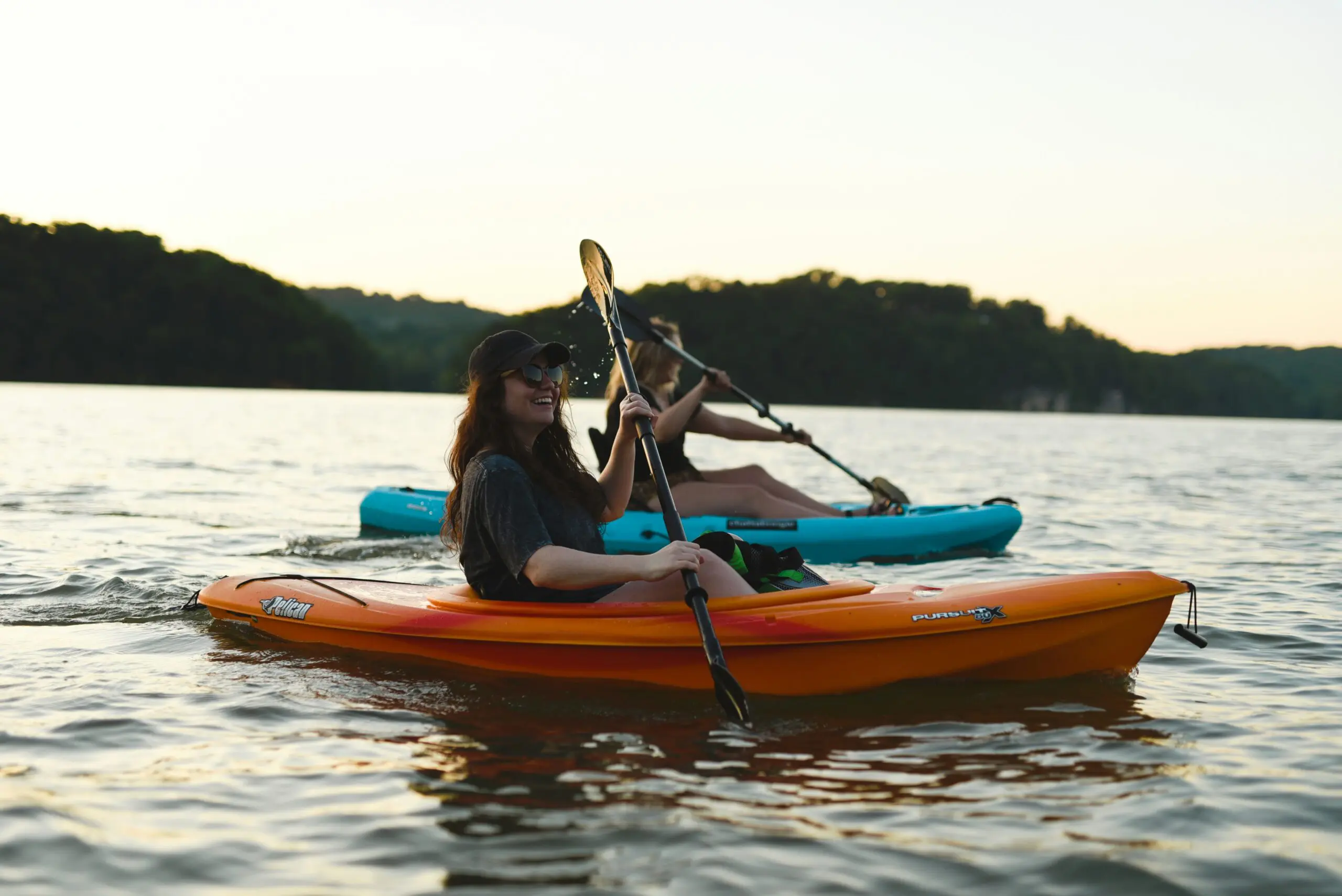
While many Pacific Northwest paddlers have stored away their kayaks or stand-up paddleboards for winter, some of us embrace cold season paddling. Winter offers quiet, tranquil waterways, fewer speeding boats, shorter ferry lines, and open parking. Higher daytime tides allow access to tidal estuaries and back bays that can be difficult during low summer tides.
Here are some tried-and-true gear tips from my years paddling in the Pacific Northwest.
Clothing
Your clothing depends on activity level, air temperature, and conditions.
- Flat Water: For calm, protected bays, top-and-bottom separates work well. Neoprene paddling pants with a jacket, or polypro leggings with a rash guard or paddling jacket if you run warm.
- Racing: Winter flatwater races run nearly every weekend. Dress according to temperature and whether you run hot or cold. For windy or rough conditions in high wind and waves, full protection with a wetsuit or drysuit is recommended.
- Open Water, Surf, and Rivers: Winter water temps hover around 47°F. Use full wetsuits (4/3mm or 5/4mm) or drysuits, plus neoprene booties and fleece-lined gloves to stay warm.
- Add-On: Neoprene hoods like the NRS Storm Cap can add a lot of warmth and can be tucked in a wetsuit
Safety
A life jacket (PFD) not only keeps you afloat but also reduces wind chill. Choose a high-visibility PFD with pockets and a flat front for easy remounting. Paddleboarders and sit-on-top kayakers should always wear a leash to stay connected to their craft. In rivers or tidal currents, I attach the leash to my PFD side straps to prevent leg entrapment.
Night Paddling
Paddling in low light extends the season for those who paddle during evenings. Every craft requires one white, non-blinking light. Suction-cup stern-mounted LED lights preserve night vision, and a waterproof mini flashlight tethered to your PFD can signal other boats.
Communication
Always carry a waterproof mobile phone tethered to your PFD. For open water, a 6-watt VHF handheld radio adds safety, allowing you to check NOAA forecasts, communicate with friends on-water, or signal nearby boats. Some models provide GPS alerts in emergencies. Consider carrying tracking devices such as the Garmin inReach and emergency signaling options such as rocket flares.
Planning Your Paddle
Check conditions before every paddle using marine weather apps such as Windy or PredictWind, and cross-reference with NOAA (National Oceanic and Atmospheric Agency) forecasts. Use High-Resolution Rapid Refresh (HRRR) mode 1–2 days in advance for accuracy. Always leave a Float Plan with a friend detailing your route, expected times, and contact info, then cancel it upon return. At the launch, inspect conditions in person and ensure everyone is properly equipped and capable for the day’s paddle. And choose paddle partners who have proven skills for the conditions.
Where to Paddle
For more paddling tips, trip details, and inspiration, check out my book Paddling the Salish Sea: 80 Trips. It features routes for all skill levels from South Puget Sound and the Strait of Juan de Fuca to Victoria, Vancouver, and the British Columbia Gulf Islands.
Winter paddling in the Pacific Northwest can be peaceful, invigorating, and safe with the right preparation and gear. From protected bays to rivers and open water, thoughtful clothing, safety equipment, and planning make it a rewarding experience year-round.