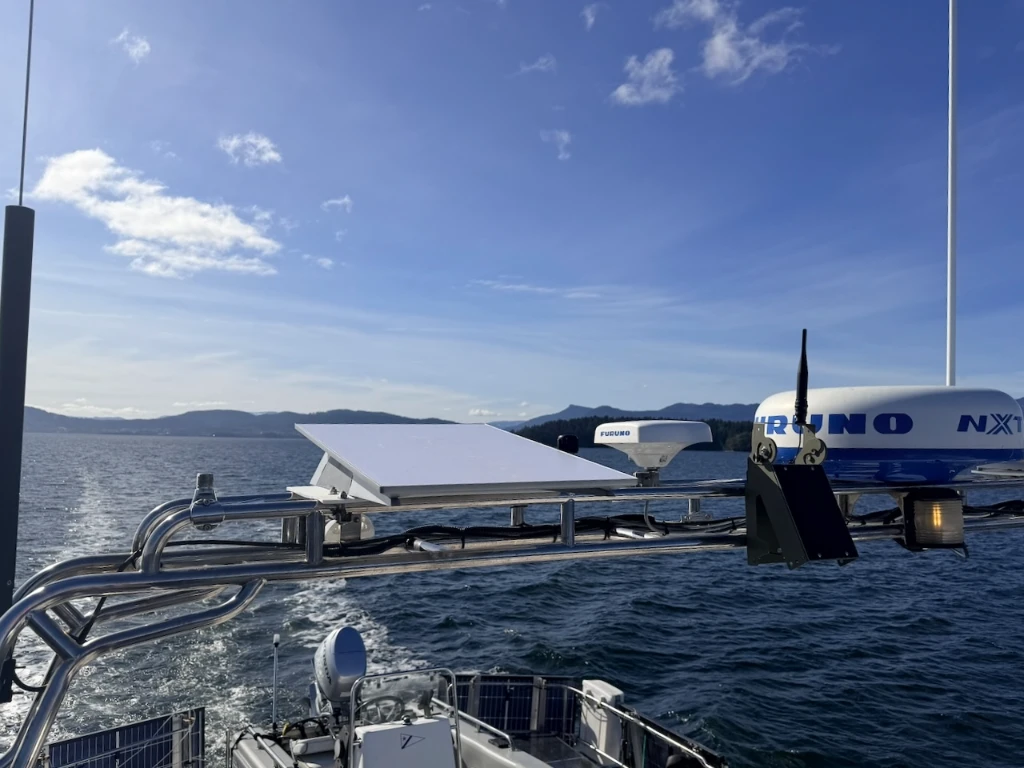
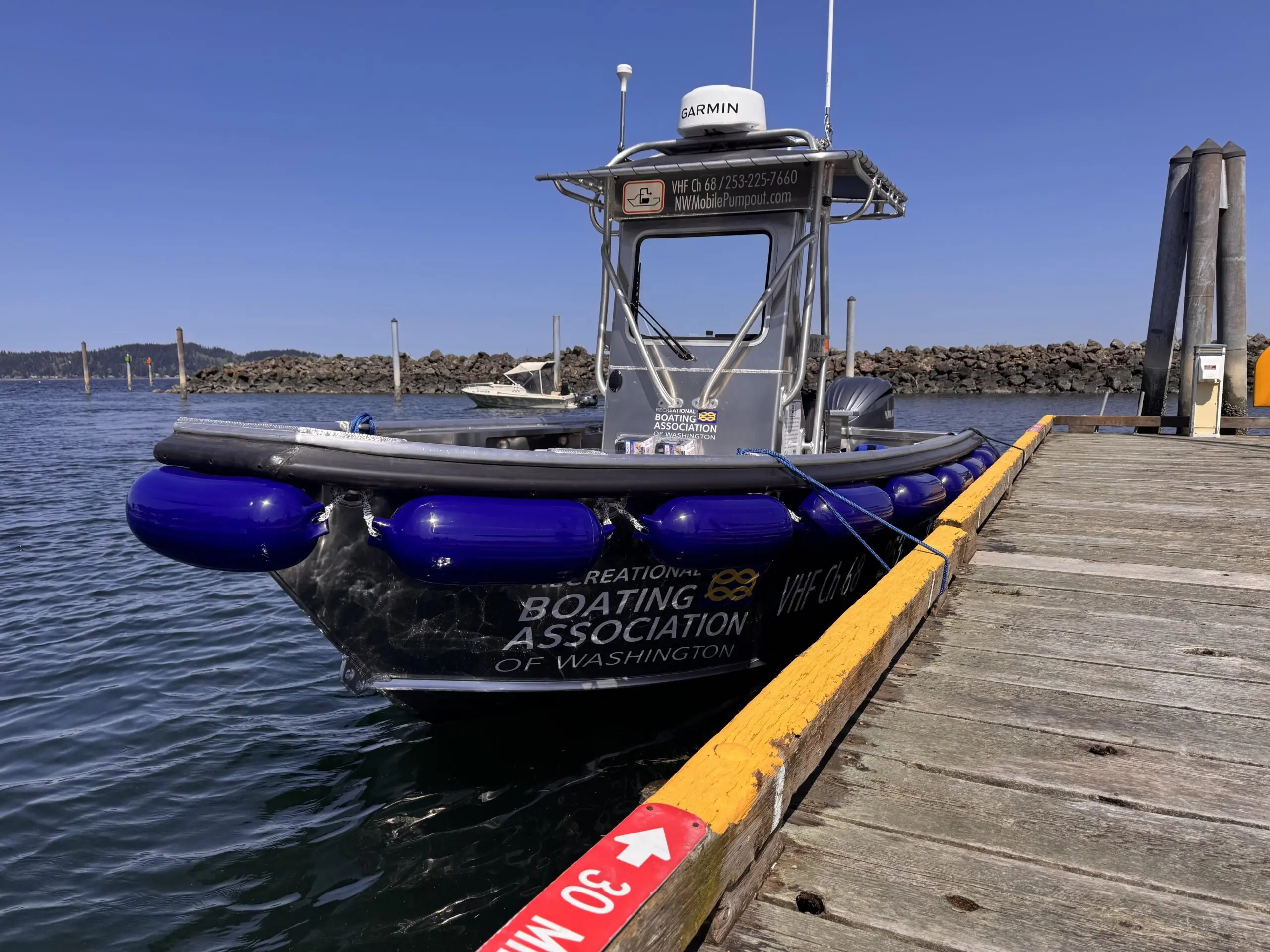
Image: The faithful NW Mobile Pump Out boat on duty at Blake Island, Washington.
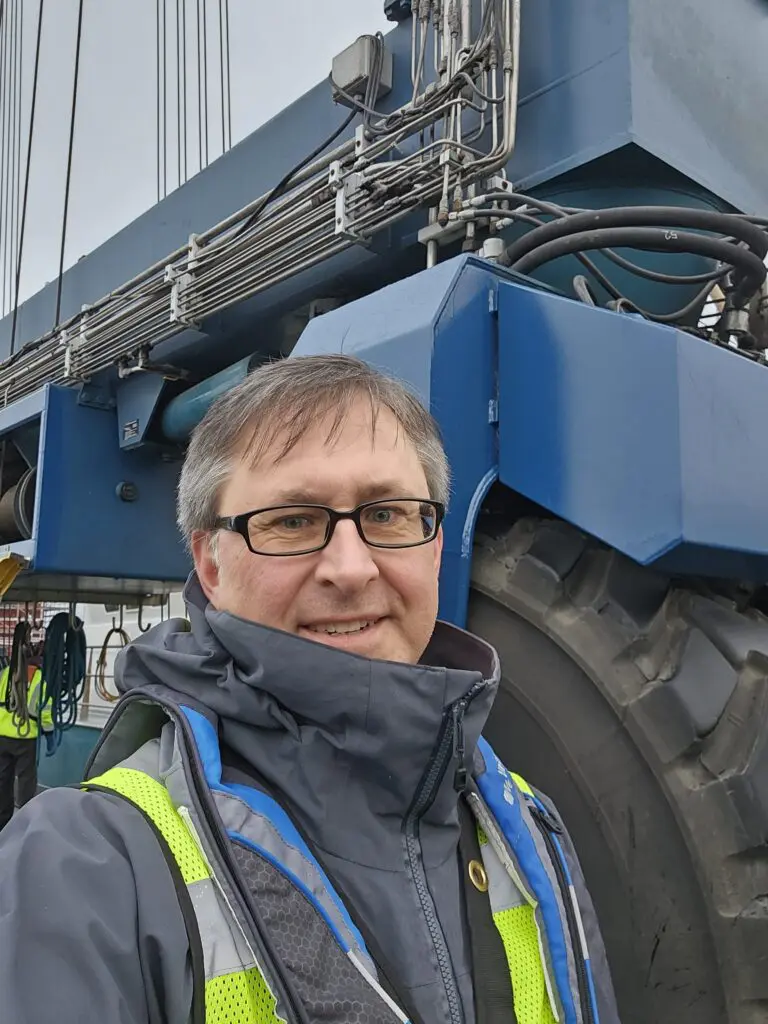
Many awards are given out to business leaders for what they have added to the community, but Paul Weyn, founder of Gig Harbor-based NW Mobile Pump Out, was recently lauded for what he has removed from his boating customers—namely their liquid wastes.
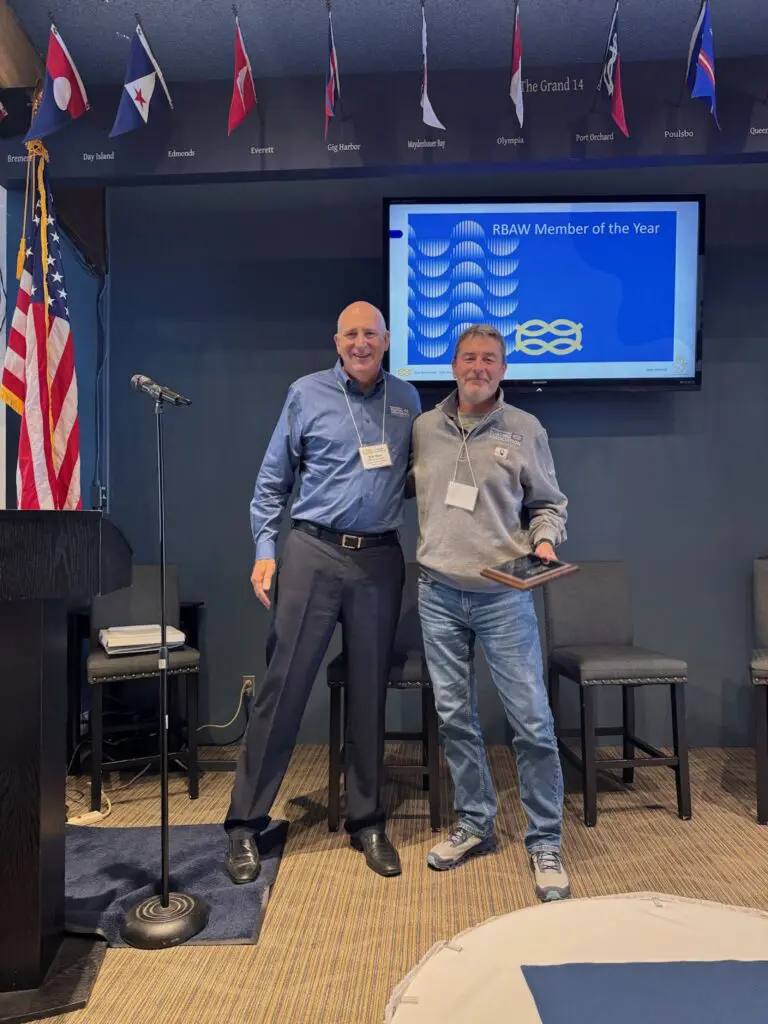
In mid-November of last year, during the Recreational Boating Association of Washington (RBAW) meeting at the Tacoma Yacht Club, Weyn was presented with the Member of the Year Award for his company’s West Puget Sound (Kitsap) Free Mobile Pump-out Program. Now in its second year of operations, the seasonal West Sound program provides waste pump-out service to all boats on the water between early May and late September.
“It’s a free service for anyone on the water,” Weyn said. “There are so few place boaters can go to do pumpouts. There are apps and digital maps of pump-out locations you can access, but most of them are inaccurate.”
With NW Mobile Pump Out, Weyn essentially brings the service to the boaters rather than the other way around. He set up a regular schedule for his customers so they know when one of his six boats will be available. “We just want to make it easier for boaters to do the right thing and make sure they don’t just dump the waste overboard,” he said.
During the West Sound program’s run in 2025, Weyn said his vessels pumped nearly 26,000 gallons of waste from more than 1,000 boats in the area. Over the summer, Weyn’s crews provided free pumpouts on weekends, Fridays, and holidays at the Port of Poulsbo, Blake Island, Illahee and Fort Ward marine state parks, Eagle Harbor, and other locations.
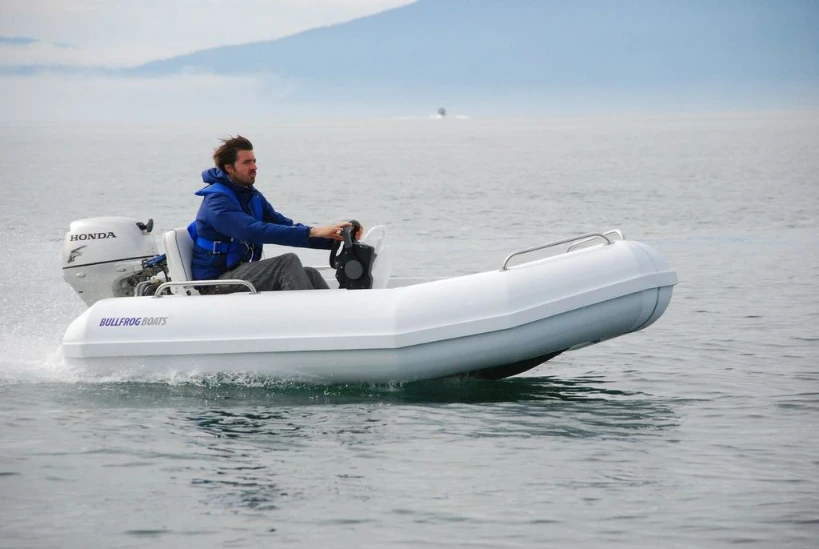
Weyn owns three of the six boats in his fleet: a 21-foot aluminum Duckworth Pacific Navigator with twin Yamaha 115-hp outboards; a 19-foot fiberglass-hulled Northcoast with a single 150-hp Yamaha outboard; and a custom-made Bullfrog with a 90-hp Honda outboard. The other three are provided by state and RBAW funding with aluminum hulls and dual outboards—one of which has been named “Poo-Get Sound.”
The pumping equipment Weyn prefers are single-diaphragm electric or gas-fueled Edison 120 pumps capable of moving about 25 gallons of sewage per minute. “Most vessels have tanks that hold less than 40 gallons, so it usually takes just a few minutes to drain each one,” he said. The storage tanks on the NW Mobile boats hold between 300 and 350 gallons.
In addition to the West Sound program cited by RBAW, NW Mobile Pump Out also provides another seasonal pump-out program covering about a dozen locations in South Puget Sound. Year round, NW Mobile offers regular waste removal services for other parts of Puget Sound, including Gig Harbor, Poulsbo, Tacoma/Vashon, and Port Orchard/Sinclair Inlet.
About 75 percent of the funding for the free seasonal events, Weyn said, comes from federal Clean Vessels Act grants from the U.S. Fish and Wildlife Service, which charges fees in local fuel and equipment purchases. The remaining 25 percent comes from RBAW and other participating municipalities.