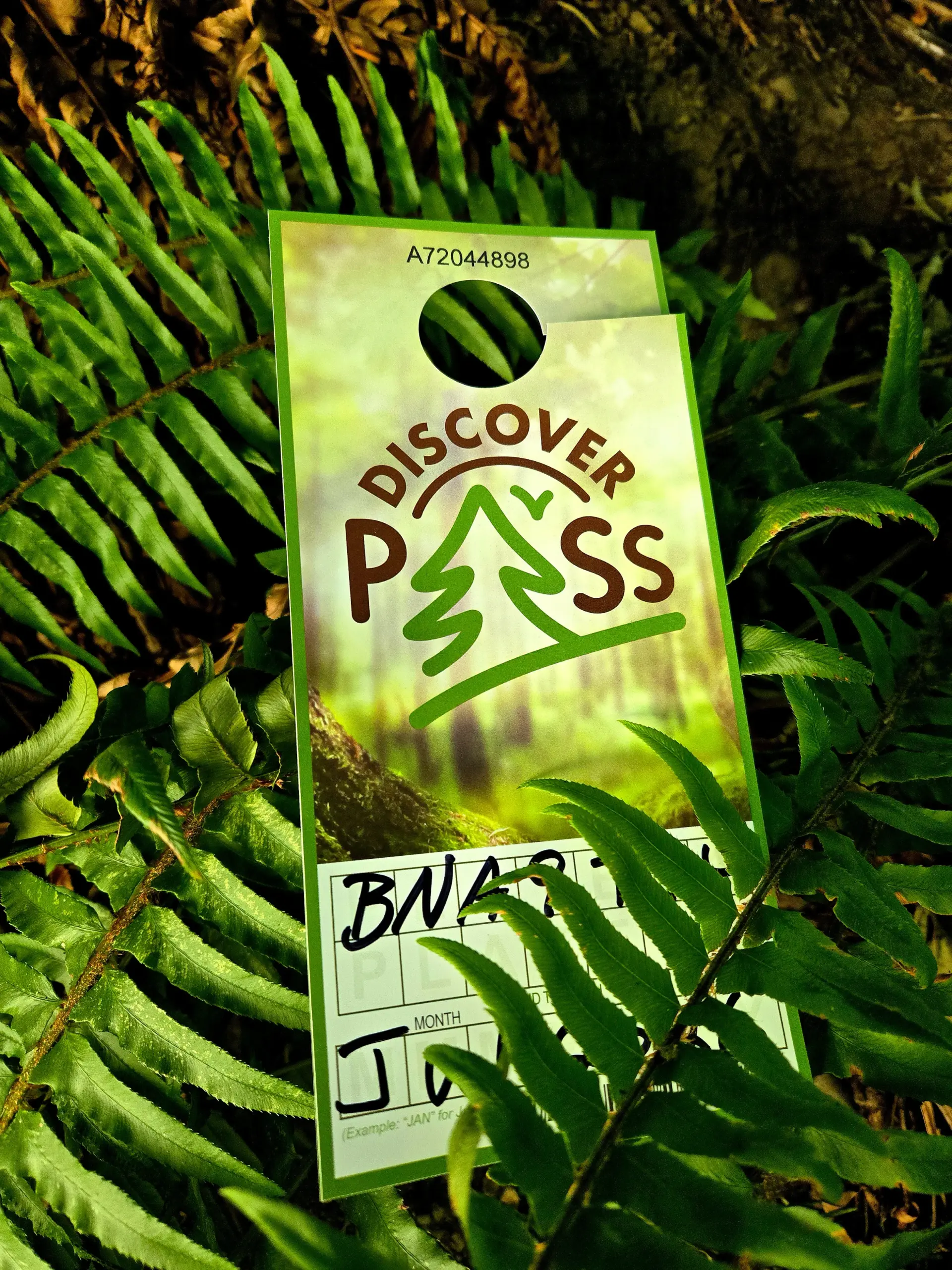
While no one wants to let environmental degradation tarnish the Pacific Northwest’s reputation for pristine waterways, some boaters are beginning to push back on the cost hikes municipalities are imposing to protect marine ecology, including Oregon’s Waterway Access Permit to help fund boat inspections and control invasive aquatic species and Washington’s Discover Pass program for gaining access to state parks.
Last year, the fees to both permitting programs were increased by their state legislatures. Oregon raised the prices of the Waterway Access Permit program from $5 to $6 for a one-week permit, from $17 to $20 for an annual permit, and $30 to $35 for a biennial permit. Last October, Washington raised the annual fee for its Discover Pass from $30 to $45.
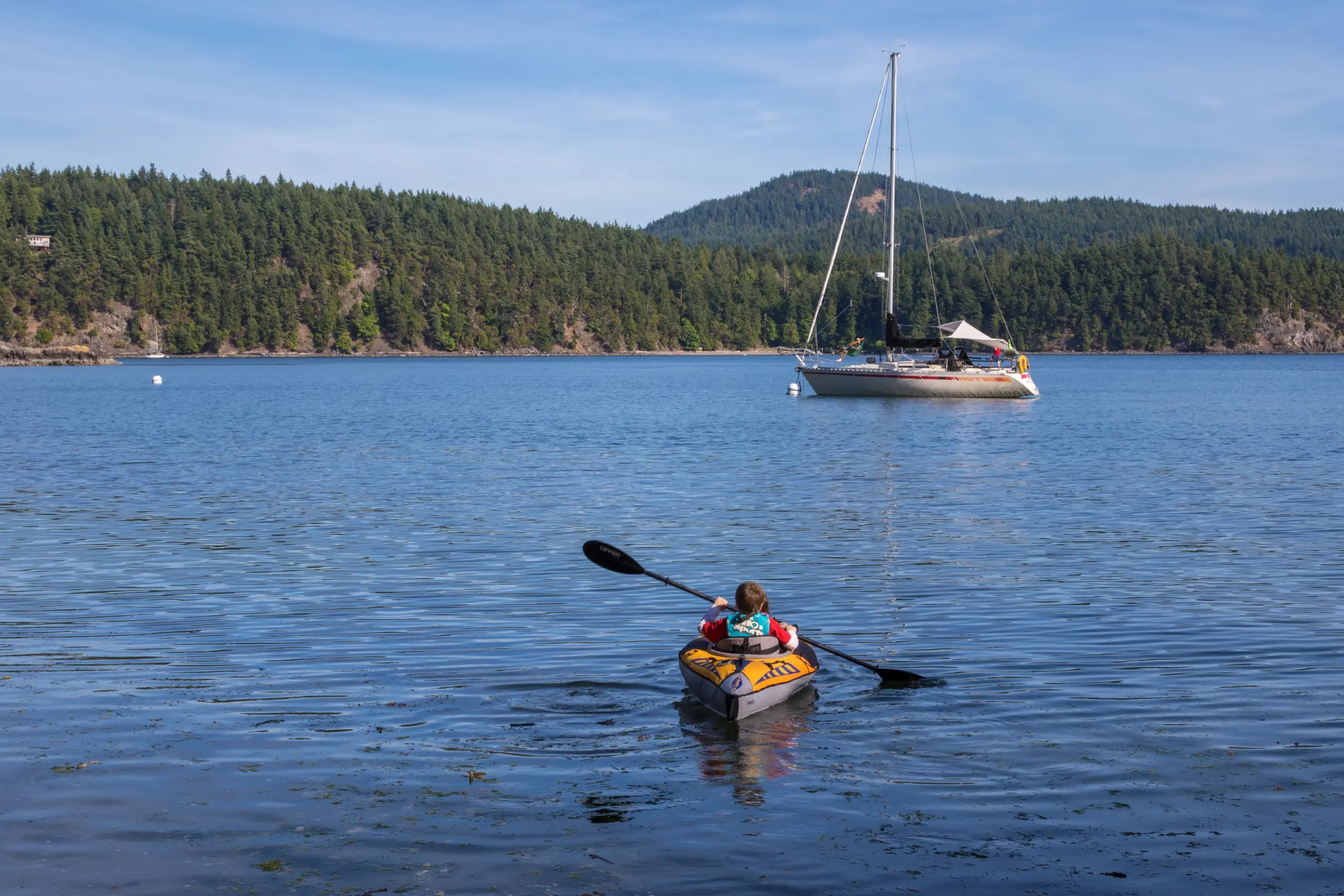
Under the Oregon program, anyone aged 14 years or older must obtain a version of the Waterway Access Permit to operate any nonmotorized watercraft or certain small sailboats in state waterways. According to the Oregon State Marine Board (OSMB), revenue generated from the permitting program is used to support prevention of the spread of aquatic invasive species. Originally, the state had exempted any nonmotorized watercraft measuring less than 10 feet in length, but, as of Jan. 1, 2026, the law now includes kayaks, canoes, stand-up paddleboards, and other human-powered personal watercraft of any size.
To many opponents in Oregon, however, the lack of size limits for nonmotorized boats seems absurd, meaning that teenagers using an innertube or a blow-up raft would have to show a permit to use it in an Oregon waterway. While the OSMB clarified that items such pool toys would not be covered under the permit law, the clamor from the boating community over a confusing definition of what constitutes a watercraft has led to proposals to amend the new law in the next legislative session.
In the Oregon Legislature, opponents of the permit system, including Rep. Ed Diehl, (R-Stayton) and Rep. Dwayne Yunker (R-Grants Pass), said they are planning to introduce a bill seeking to amend the current system by exempting such watercraft as small paddleboards, kayaks, and inflatables, similar to the bill’s original language.
Some other groups plan to go farther. Last year, a new political action committee (PAC) called “Let Us Paddle” seeks not only to exempt small, human-powered watercraft, it aims to eliminate the Waterway Access Program altogether.
“This unjustified regulation imposes unconstitutional burdens on access to free, natural, public resources,” read a statement from Let Us Paddle’s website. “Our movement was born out of frustration with the government overreach from Salem politicians who carelessly passed this bill as a means to create an income, without consideration of the welfare of the people of Oregon.”
Kari Goodheart, founder of Let Us Paddle PAC, said if Oregon really wants to stop the spread of zebra mussels and other invasive species in state waters, it should provide evidence that nonmotorized watercraft are indeed culprits. “I just want it to be justified,” she said. “I want to see scientific evidence. Why aren’t they inspecting boats as well? Where’s the proof of inspection? Without it, our liberty is really on the chopping block.”
Last July, Let Us Paddle launched a voter initiative asking the voters to overturn the Waterway Access Program. If the PAC receives 118,000 signatures by July 2 this year, the initiative will be placed on the 2026 ballot for the state. As of Feb. 10, the PAC’s website listed 12,529 of the needed signatures had been gathered, or a little over 10%.
“This is how reform actually happens,” said Ben Roche, Let Us Paddle’s co-chief petitioner. “Not by yelling from the shoreline, but by getting into committee, putting testimony on the record, and forcing lawmakers to hear directly from the people who use Oregon’s waterways.”
Meanwhile, in Washington, protests over fees have not been as strong, but there is evidence people may be voting by keeping their purse strings closed. Last November, the state’s Parks and Recreation Commission reported that sales of individual Discover Passes fell by 23% in the month of October 2025, compared to October sales in the previous year. Revenue over the same period, however, rose by 16%, year-over-year, while day-pass sales and revenue dipped by 2% over the same period.
“We recognize the price increase may be difficult for some of our visitors, but we appreciate the support as we continue to care for and maintain these lands for future generations,” said Sarah Fronk, communications manager for the Washington State Parks and Recreation Commission. “This legislatively mandated increase is the first change in the price of the pass since it first went into effect in 2011, despite a period of high inflation.”
The dip in Discover Pass sales for October was expected by the Parks Department and has been factored into their annual projections. “While we are seeing a 2025-over-2024 (October to December) decrease of 21% in the number of annual passes sold, the overall revenue from all Discover Pass sales for Oct/Nov/Dec 2025 was $135,000 greater than projected,” Fronk said.
As we get closer to the spring boating season, the real effects of the increase in fees will become more apparent as Northwest paddleboarders and kayakers head back to the water. The chilly water temperatures may not be as strong as the sticker-shock they may feel in their wallets.