Welcome to May. This time of year is exciting for anglers all over the Pacific Northwest, as we’re dusting off the winter doldrums and we’ve been preparing our vessels for pelagic pursuits. The anticipation of how the story unfolds tempts and tantalizes every red-blooded angler.
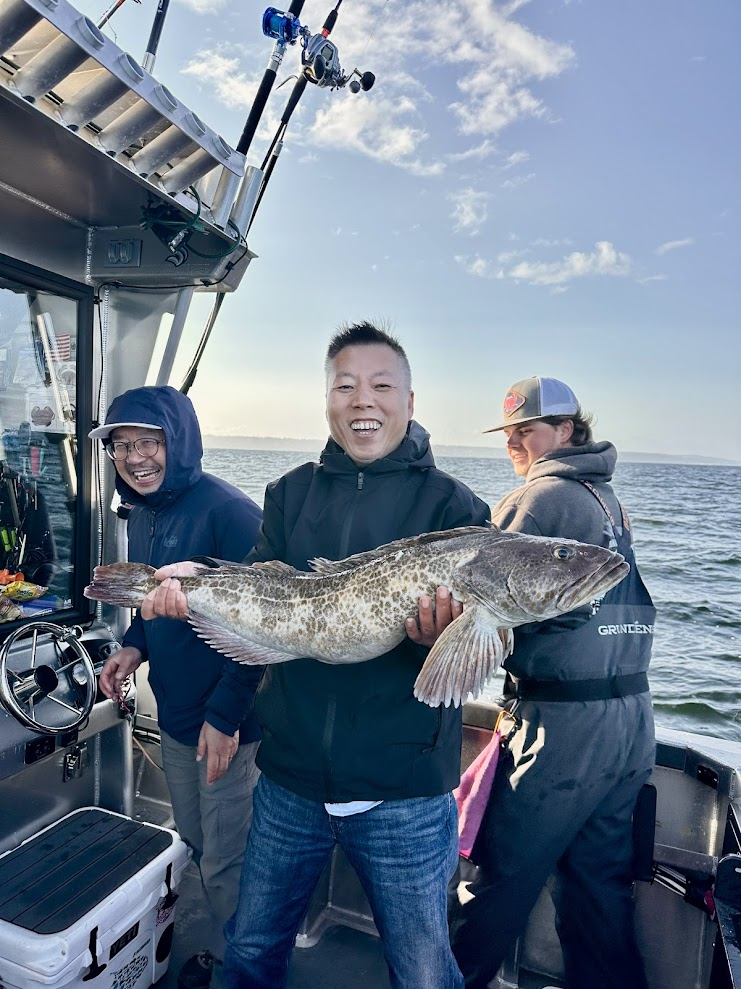
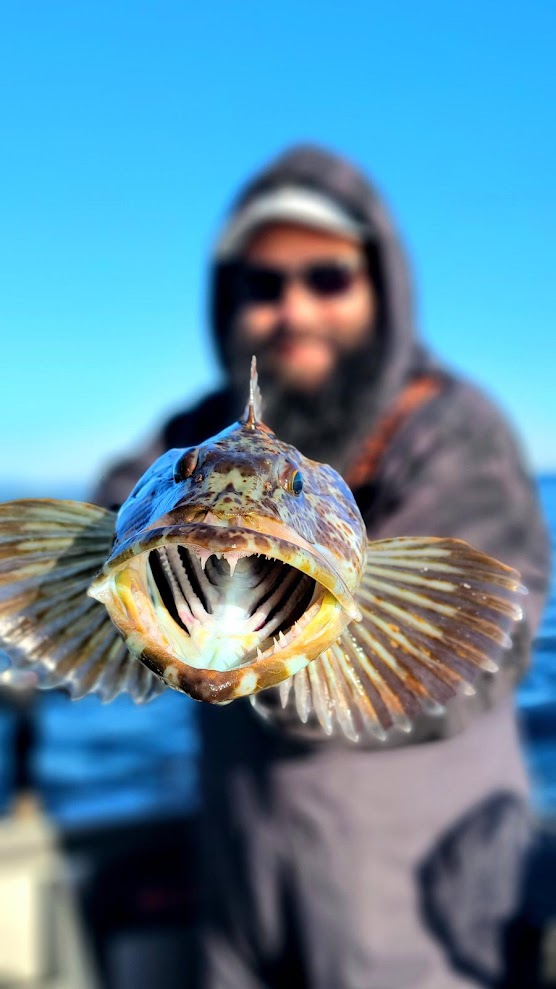
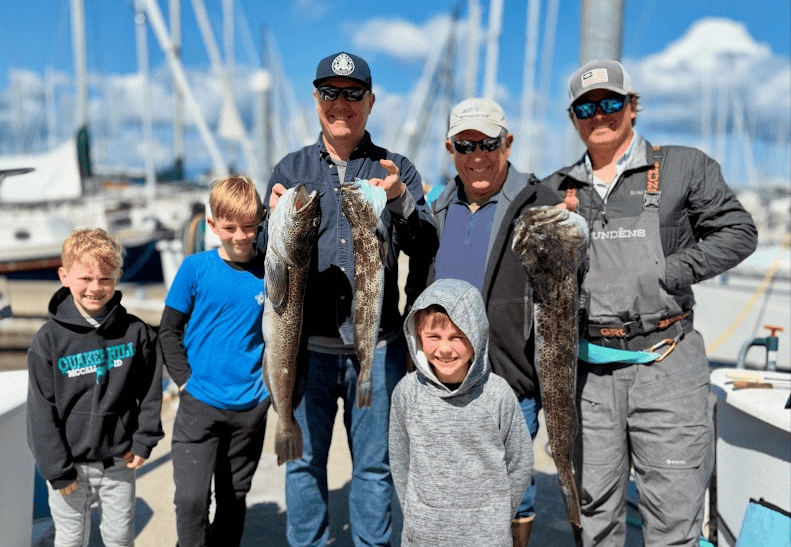
May 1 is a beacon for the avid bottom-fish angler that is in pursuit of Ophiodon elongatus, commonly known as ling cod. This incredible fish has haunted my sleep ever since I started chasing them some 20-plus years ago. To better understand the quarry, lets take a look at these fascinating creatures. With their grimacing appearance and bulldog strength, many anglers across the Pacific Northwest gave them the nickname “dragons.” With the large eyes set inside the massive ocular cavities, these denizens of the deep are not about to become easy prey with some fish reaching a size well over 110 pounds and mandibles that could swallow whole basketballs. Just looking at their toothy gumline, you can quickly deduce that they are truly eating machines. With their mottled camouflage being able to blend into the rocky or mixed strata bottoms of the seafloor, they patiently wait for anything that comes across their path.
They aren’t picky and, as opportunistic feeders, their diet is not limited to squid, herring, flounder, and small bait fish. They’ve even been known to predate salmon and their own species. Nothing is immune when you’re swimming in ling cod territory. Their distribution ranges from the Aleutian Islands off SE Alaska all the way down the Pacific coastline and have even been found as far south as Baja California Sur.
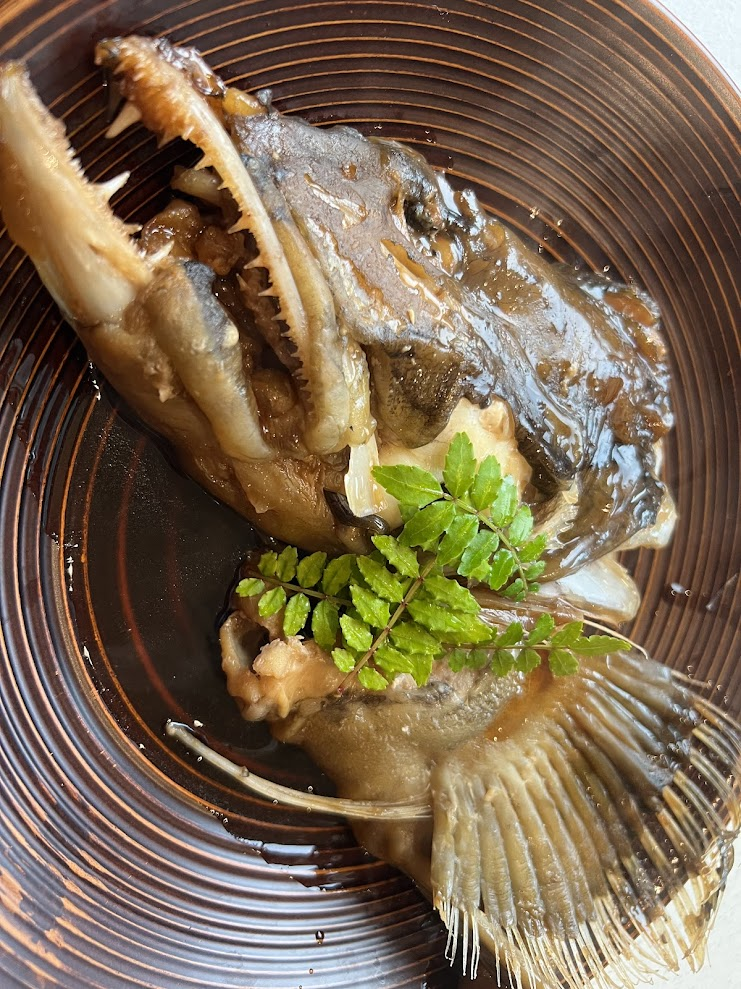
What they lack in beauty-pageant stature they make up for with their top-shelf table value. I may be putting my neck on the line, but, personally, I have to admit it’s better than halibut in both flavor, texture, and moisture content.
There are lots of methods to target them, such as soft plastics like the Fisherman’s Gold brand Electric Eels in the lucky-penny or root-beer-float colors. You’ll want to make sure you’ve got a good range of lead heads mated with the appropriately sized tails. Don’t discount the twin scampi tails and the curly tail grubs in motor oil, root beer, and pink colors. Theres a time and place for these lures, for sure!
If you want to use a natural bait, there’s no denying that catching live flounder, sculpins, kelp greening, or shiner perch (pogies) can be rewarding, but also heart-thumping for kids of all ages. A hungry ling cod will rarely pass up the opportunity of properly presented natural bait. We like to use sabiki rigs to jig up shiner perch and squid-tipped rigs to target palm-sized sand dab. Having a live well helps keep baits lively and wiggling.
A typical ling cod leader will be based on a slider system utilizing #40, pre-tied, 36” leaders with 4/0-6/0 barbless hooks. A dropper cannonball from six to 10 ounces will help get the live bait offering down to where the ling cod dwell. Popular locations in the Central Puget Sound are Jeff Head, Possession Bar, Alki Reef, and Blake Island. For the San Juan Island anglers, look for rocky outcroppings, structure, and points where there are both a good tidal and current influence. Lings are territorial, and the larger fish will stake out their claims wherever the highest biomass of weary bait that cross their choppers. Keep in mind that there is a depth restriction not deeper than 120’. This is to protect species of rockfish, which are either threatened or endangered and must be released.
The key to success is line control. Maintaining the proper drift and as much vertical presentation as possible is needed to prevent snagging up while allowing the bait to hover as it covers territory. Backtrolling can help control the drift but use either the main motor or kicker motor. Some anglers like us are utilizing digital bow-mounted anchors, which greatly aid in slowing down the drifts, as compared with strong currents. This allows the baits more face time, which generally evokes the grabs.
When you do get a bite, the hardest part is to resist from “trout setting.” The better method is to allow the ling cod to load up the rod and then reel down slowly and then progressively faster, allowing a proper hook set to happen. Steady speed in reeling up will keep the fish from trying to run back into a rock and reduce breakoffs. Never lift the head above the waterline as it usually is a sure way to lose a soft hooked fish or one that decided to hitchhike its way up. In Puget Sound, there is a slot limit for retention, which is 26” to 36”. The larger fish are breeding females and must be released unharmed, further providing future angling opportunities. The Washington Department of Fish and Wildlife biologists have seen opportunities improve over the past few decades of implementing the slot limits. Last season, we were glad to see that many of the fish our guests caught were right in the keeper range, with only a handful of large fish that had to be carefully released.
Ling are one of our favorite bottom fish on the dinner table. Their tender and juicy white meat is flavorful and delicate. Our preferred method to enjoy is steamed with ginger and green onion in a soy sauce broth with sizzling-hot oil to finish. I’ve got my lips smacking looking ahead to the opener, see you out there soon!